
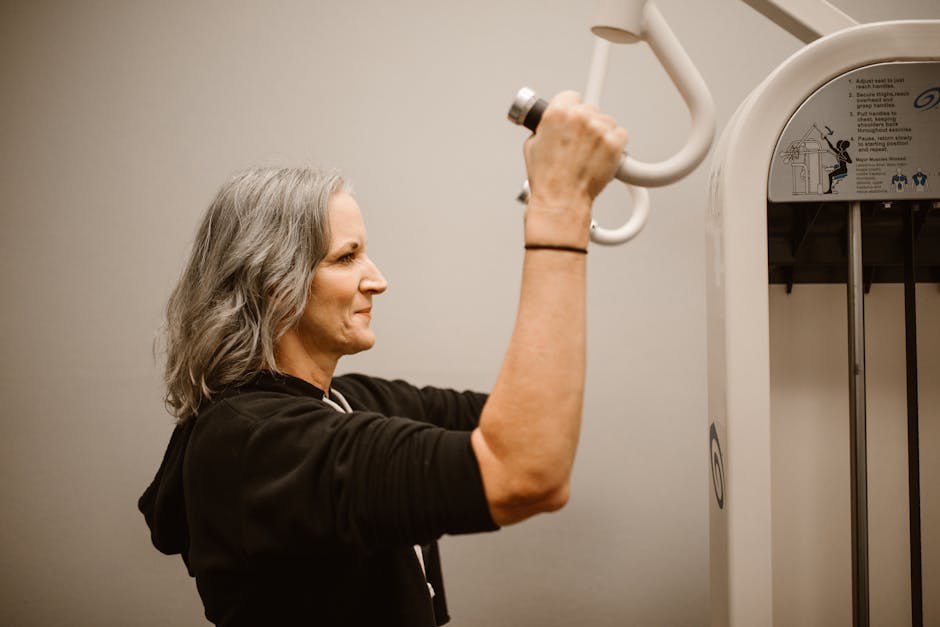
Aging is a natural process, but maintaining vitality and well-being as we grow older is achievable with the right approach. A significant factor in healthy aging is nutrition. This comprehensive guide explores the best foods to incorporate into your diet to support your body's needs throughout the aging process. We’ll delve into the science behind these choices, offering practical advice and actionable steps to optimize your health and longevity.
The Importance of Nutrition in Healthy Aging
Recent studies consistently highlight the crucial role of nutrition in mitigating age-related decline. A well-balanced diet rich in essential nutrients can help protect against chronic diseases, improve cognitive function, maintain bone density, and boost overall energy levels. It’s not just about avoiding unhealthy foods; it’s about actively choosing foods that support cellular repair and regeneration.
Fruits and Vegetables: The Cornerstones of a Healthy Aging Diet
Fruits and vegetables are packed with antioxidants, vitamins, and minerals crucial for protecting your cells from damage caused by free radicals. These free radicals contribute to the aging process and increase the risk of various diseases.
Best Choices:
- Berries: Blueberries, strawberries, raspberries, and blackberries are rich in anthocyanins, powerful antioxidants linked to improved brain function and reduced inflammation.
- Leafy Greens: Spinach, kale, and collard greens are excellent sources of vitamins A, C, and K, as well as folate and fiber, crucial for maintaining healthy bones and reducing the risk of heart disease.
- Cruciferous Vegetables: Broccoli, cauliflower, Brussels sprouts, and cabbage contain sulforaphane, a compound associated with cancer prevention and detoxification.
- Citrus Fruits: Oranges, grapefruits, and lemons are rich in vitamin C, a potent antioxidant that supports immune function and collagen production.
Protein Power: Building and Maintaining Muscle Mass
As we age, we naturally lose muscle mass (sarcopenia), which can lead to weakness, frailty, and reduced mobility. Adequate protein intake is essential to combat this loss and maintain muscle strength and function. Expert recommendations suggest increasing protein intake with age.
Excellent Protein Sources:
| Food Source | Protein (grams per serving) | Other Benefits |
|---|---|---|
| Lean meats (chicken, fish, turkey) | 20-30g | Rich in iron and B vitamins |
| Legumes (beans, lentils) | 15-20g | High in fiber and plant-based protein |
| Eggs | 6g per egg | Excellent source of choline and other essential nutrients |
| Greek yogurt | 20g | High in calcium and probiotics for gut health |
| Nuts and seeds | 5-7g per ounce | Good source of healthy fats and fiber |
Healthy Fats: Essential for Brain and Heart Health
Healthy fats are not only crucial for overall health but also play a vital role in brain function and cardiovascular health. These fats support cell membrane integrity and hormone production, both of which decline with age.
Prioritize these healthy fats:
- Avocado: Rich in monounsaturated fats and fiber, promoting heart health and satiety.
- Olive oil: A cornerstone of the Mediterranean diet, linked to longevity and reduced risk of chronic diseases.
- Fatty fish (salmon, tuna, mackerel): Excellent sources of omega-3 fatty acids, essential for brain health, reducing inflammation, and supporting heart function.
- Nuts and seeds: Provide a mix of healthy fats, fiber, and vitamins.
Whole Grains: The Foundation for Digestive Health
Whole grains provide sustained energy, fiber for digestive regularity, and various vitamins and minerals. Fiber is particularly important for maintaining healthy gut bacteria, which plays a critical role in immune function and overall well-being. Recent research indicates a strong link between gut health and longevity.
Good choices include:
- Oats: High in fiber and beta-glucan, a soluble fiber that helps lower cholesterol.
- Brown rice: A whole grain option that provides more nutrients than white rice.
- Quinoa: A complete protein source with high fiber content.
- Whole wheat bread and pasta: Choose products made with 100% whole wheat flour.
Hydration: The Often-Overlooked Essential
Maintaining adequate hydration is vital throughout life, but especially as we age. Dehydration can lead to fatigue, confusion, constipation, and other health problems. Aim to drink plenty of water throughout the day, and consider adding hydrating fruits and vegetables to your diet.
Frequently Asked Questions about The Best Foods for Healthy Aging
What supplements should I consider for healthy aging?
While a balanced diet should be your primary focus, some supplements may be beneficial, particularly as we age. Consult your doctor before taking any supplements, as they may interact with medications or have potential side effects. Common supplements often discussed include Vitamin D, Omega-3 fatty acids, and Vitamin B12.
How can I make healthy eating easier as I get older?
Meal prepping, utilizing frozen fruits and vegetables, and opting for convenient healthy snacks can make healthy eating easier. Consider using slow cookers or one-pan meals to simplify cooking. Also, don't be afraid to ask for help from family or friends.
Are there any foods I should avoid as I age?
Limit processed foods, sugary drinks, excessive saturated and trans fats, and refined carbohydrates. These can contribute to weight gain, inflammation, and various health issues.
How much protein do I really need as I get older?
The recommended daily allowance of protein increases slightly with age. Consult a doctor or registered dietitian to determine your specific protein needs based on your activity level, health status, and other factors.
Can diet truly impact cognitive function as we age?
Yes, absolutely! A diet rich in antioxidants, omega-3 fatty acids, and various vitamins and minerals is crucial for maintaining brain health and reducing the risk of cognitive decline. The Mediterranean diet, in particular, has shown promising results in studies on cognitive function.
Is it too late to start eating healthy if I'm already older?
It's never too late to make positive changes to your diet! Even small adjustments can make a big difference in your overall health and well-being. Start by incorporating one or two healthy changes at a time, and gradually build from there.
Conclusion
Adopting a diet rich in fruits, vegetables, lean protein, healthy fats, and whole grains is a crucial step towards healthy aging. By focusing on nutrient-dense foods and prioritizing hydration, you can actively support your body's needs, enhance your vitality, and promote longevity. Remember to consult with your healthcare provider or a registered dietitian to create a personalized plan that aligns with your individual health needs and preferences. Start nourishing your body today and experience the transformative power of a healthy diet for a longer, healthier life!